
Weight
Mitolyn Review: What's Inside the Six-Ingredient Formula
Maqui berry, rhodiola and four more plant ingredients, a once-daily capsule and a 90-day guarantee.
We read the label, the fine print and the guarantee of the supplements people are talking about, then explain them in plain English. Pick a goal, compare the options and decide with confidence.
 Reviews by Emily Parker and the Health Market Center Editorial Team
Maqui berry, rhodiola and four more plant ingredients, a once-daily capsule and a 90-day guarantee.
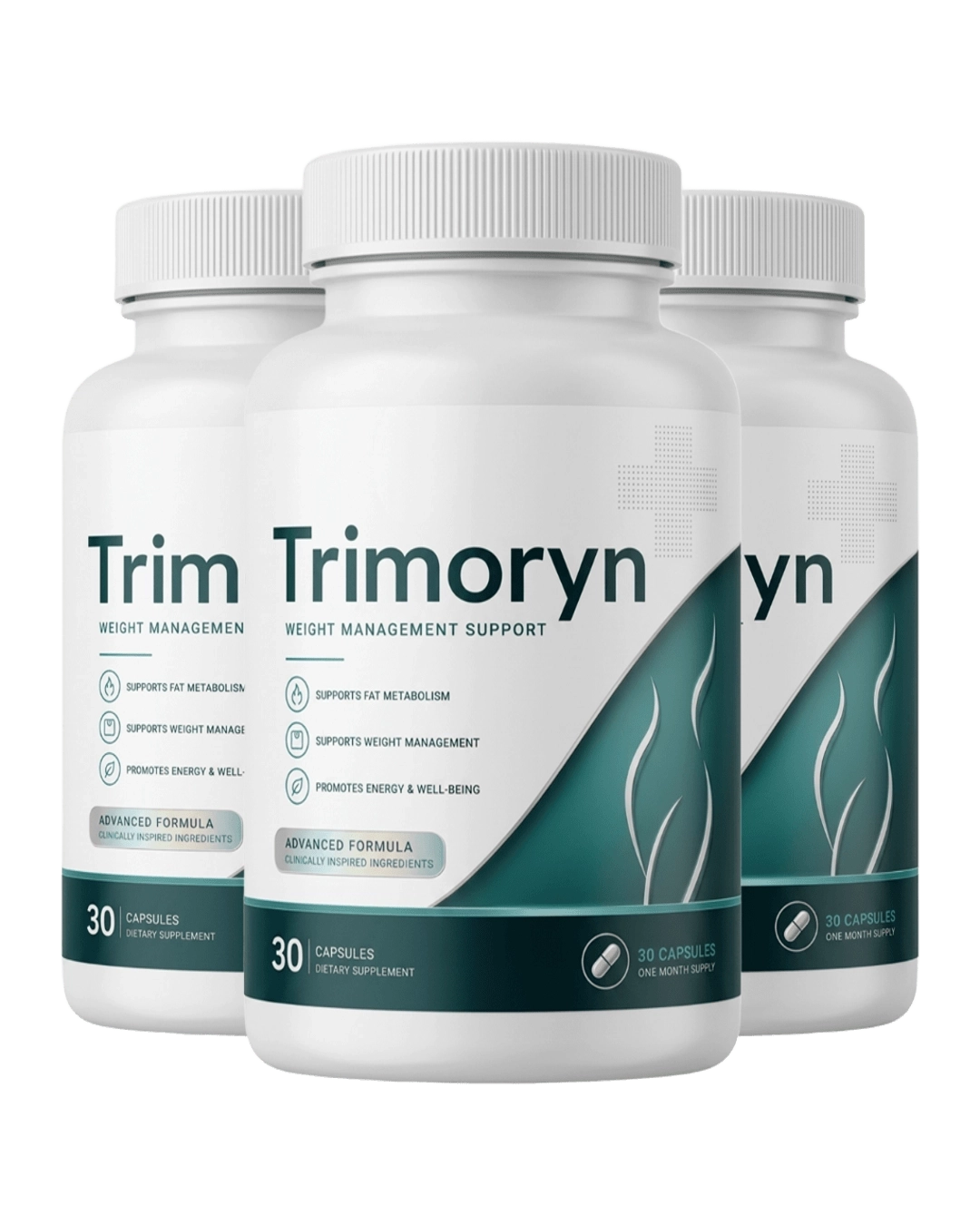
Metabolism, appetite and gut support in one capsule, and why we say to check the label for caffeine.
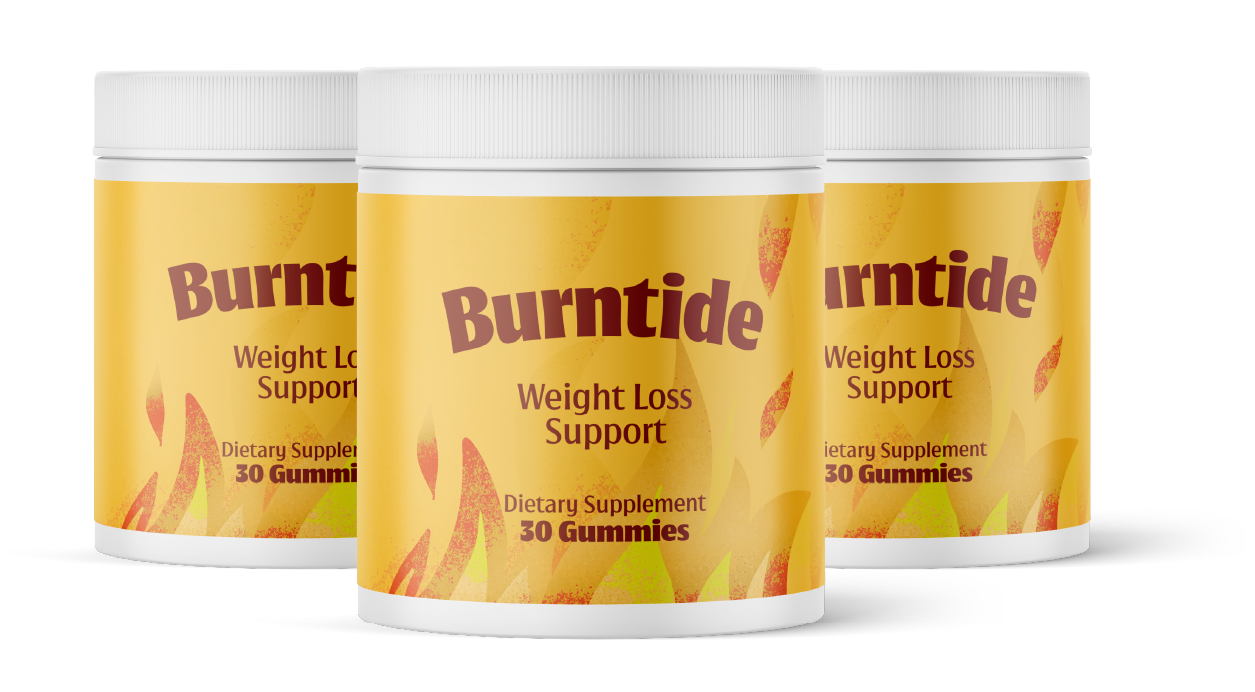
One focused ingredient, 250 mg per gummy. What that means, and who this simple routine suits.

Saffron, olive leaf, berberine and more. How the brand's three ingredient groups are meant to work together.
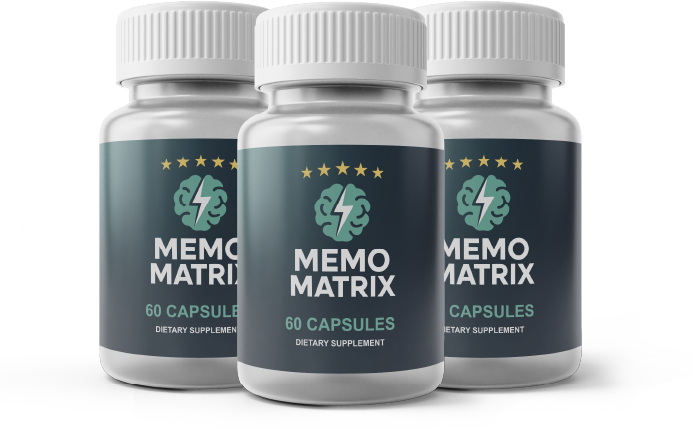
Bacopa, rhodiola, L-theanine and ginseng with doses on the label, and the ingredients that aren't there.

Ten ingredients with most doses listed, plus why dizziness always deserves a doctor's visit first.
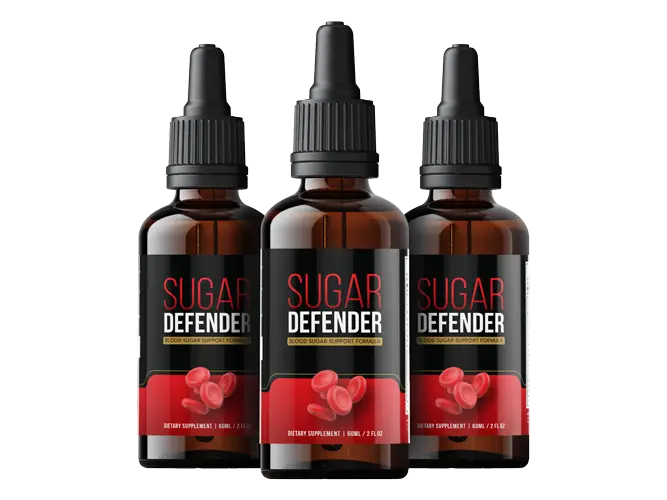
Chromium and a plant blend in a liquid dropper, plus the caffeine and medication notes to know.

Hawthorn, garlic, hibiscus and more, who it's positioned for, and who should check with a doctor first.

A 350 mg herbal blend and five Lactobacillus strains in one daily capsule. What's on the label.
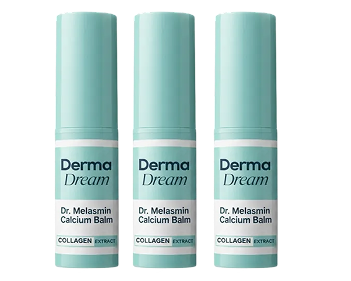
A swipe-on balm for the look of fine lines, and what the guarantee and checkout really include.
No review matches your search yet. Try another word or pick a topic.
The label tells you more than the marketing ever will. Here's what to look at, line by line.
Every dietary supplement sold in the US carries a Supplement Facts panel. Reading it takes two minutes and answers most of the questions a sales page leaves open.
Tip: look for natural sources of caffeine, such as green tea, guarana or coffee bean. They don't always appear on the front of the bottle.
Why many labels list a total weight instead of individual doses, and what you can still learn.
A proprietary blend lists several ingredients under one name with a single total amount, for example "Herbal Blend 350 mg". Brands use blends to protect their formula, but it means you can't see how much of each ingredient you get.
When a single ingredient matters to you, for example because of an allergy or a medication, contact the manufacturer and ask for the amount.
"60-day guarantee" can mean very different things. Five questions to answer first.
Keep your order confirmation email. It has the order number and the seller's support contact you'll need for any refund request.
Natural doesn't mean risk-free. Common ingredients that are worth a conversation first.
Plant ingredients can affect how some medications work. Bring the bottle, or a photo of the label, to your doctor or pharmacist. These are some combinations people commonly ask about:
Also talk to your doctor if you are pregnant, nursing, have a chronic condition or have surgery planned.
Answer two quick questions and we'll point you to the reviews worth reading first. It's not medical advice, just a faster way to find your way around.
Pick a goal to see your matches.
Can't find what you're looking for? Send us a message and we'll get back to you.
Contact usNo. We are an independent review website. We don't manufacture, sell or ship any product. Orders are placed and handled on each brand's official checkout.
Our reviews are researched and written by the Health Market Center Editorial Team and published under the editorial name Emily Parker. We are not medical professionals, so every review reminds you to check with your doctor before starting a supplement.
We start with the Supplement Facts label, compare it with the brand's marketing, read the guarantee and shipping terms on the official order page, and note who should talk to a doctor before using it.
Prices and promotions change often. To avoid outdated information, every review links to the official checkout, where the current price is always shown.
No. Our content is for general information only. Always talk to your doctor before starting a supplement, especially if you are pregnant, nursing, taking medication or have a medical condition.
We revisit each review regularly to check the official order page, packages, guarantee and label for changes.
Health Market Center ("we", "us", "our") operates healthmarketcenter.com (the "Site"), an independent website that publishes reviews of dietary supplements and personal care products. This Privacy Policy explains what information is collected when you use the Site, how it is used and the choices you have.
Health Market Center is an independent review website. We do not manufacture, sell, store or ship any product, and we do not process payments. When you decide to buy a product, you do so on the seller's official website.
You can read the Site without creating an account or giving us your name. When you visit, some technical information may be collected automatically:
If you contact us, we receive the information you choose to send, such as your name, email address and the content of your message.
The Site and the services we use may set cookies, pixels or similar technologies. They help pages load correctly, remember basic preferences and measure how the Site is used, including visits that continue to third-party websites.
Our reviews link to official product websites and checkout pages operated by other companies. When you click those links, the other company may set its own cookies and collect information under its own privacy policy. We are not responsible for the content or privacy practices of those websites, and we encourage you to read their policies before making a purchase.
We do not process orders or payments. Your order, payment details, shipping, refunds and any customer support are handled by the seller or its retailer. Please contact them directly about any order.
We do not sell or rent your personal information. We may share limited technical information with service providers that help us host, secure and measure the Site, and we may disclose information if required by law or to protect our rights and the safety of our users.
We use reasonable technical and organizational measures to protect the information we receive. We keep information only for as long as it is needed for the purposes described in this policy or as required by law.
Depending on where you live, including California (CCPA/CPRA) and other US states with privacy laws, you may have the right to:
To make a request, contact us using the details below. We may need to verify your identity before responding.
The Site is intended for adults and is not directed to children under 18. We do not knowingly collect personal information from children.
We may update this Privacy Policy from time to time. The "Last updated" date at the top of this page shows when it was last revised. Continued use of the Site after changes means you accept the updated policy.
Questions about this policy or your information? Email us at contact@healthmarketcenter.com or use the contact form.
These Terms of Use ("Terms") govern your access to and use of healthmarketcenter.com (the "Site"), operated by Health Market Center ("we", "us", "our"). Please read them carefully.
By accessing or using the Site, you agree to be bound by these Terms and by our Privacy Policy. If you do not agree, please do not use the Site.
All content on the Site, including reviews, articles and answers to questions, is provided for general informational purposes only. It is not medical advice and is not a substitute for diagnosis or treatment by a qualified healthcare professional.
Statements about dietary supplements on the Site have not been evaluated by the Food and Drug Administration. The products discussed are not intended to diagnose, treat, cure or prevent any disease. Cosmetic products are not approved by the FDA before they go on the market.
Individual results vary. Information about a product's ingredients, use or potential benefits reflects information made available by the manufacturer or seller and our own research. It does not guarantee that you will experience any particular result.
Health Market Center does not manufacture, sell or ship any product. Links on the Site may take you to official product websites and checkout pages operated by third parties. Prices, availability, guarantees, subscriptions, shipping and refunds are set and handled by those sellers, under their own terms. We are not responsible for their products, content or policies.
Some links on the Site are tracked links to official sellers. We may receive compensation when a reader makes a purchase through those links, at no extra cost to the reader. This does not change the price you pay, and it does not change how we review a product.
We work to keep information accurate and up to date, but formulas, labels, packages, prices and guarantees can change without notice. Always check the product label and the seller's official website before purchasing. If you notice something that needs correcting, please let us know.
The text, design and original graphics of the Site belong to Health Market Center. Product names, logos and images are trademarks or property of their respective owners and are used for identification and review purposes only. Their use does not imply endorsement by or affiliation with those owners.
The Site is provided "as is" and "as available". To the fullest extent permitted by law, Health Market Center is not liable for any direct, indirect or consequential damages arising from your use of the Site or from any product purchased from a third-party website.
We may update these Terms at any time by posting a new version on this page. Continued use of the Site after changes are posted means you accept the updated Terms. These Terms are governed by the laws of the United States and the state in which Health Market Center operates, without regard to conflict of law rules.
Questions about these Terms? Email us at contact@healthmarketcenter.com.
Fill in the form and it will open in your email app, ready to send.
We don't sell or ship products. For orders, shipping, billing or refunds, contact the seller using the support details on the official website or in your order confirmation email.
We can't give medical advice. If you're unsure whether a product is right for you, please talk to your doctor or pharmacist.